
Different?
Apart from the name, is there really a difference between electric cars and gas-powered cars?
Yes
Yes!!! Electric cars use simple electric motors with few moving parts, which give smooth, fast acceleration without shifting gears. On the other hand, Gasoline cars have complex engines with lots of parts that make noise, heat, and vibration. Real-world data from 2025–2026 shows EVs are 2–3 times more energy-efficient (they turn more electricity into motion), cost 40–50% less to maintain each year ($500–$800 vs. $900–$1,500 for similar gas cars), and have lower repair costs over their lifetime. With cheaper “fuel” from electricity, EVs often end up costing less to own even if they cost more to buy at first.
Operation
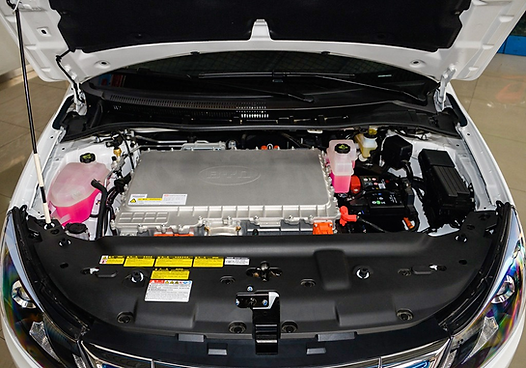
Electric cars rely on rechargeable battery packs that deliver electricity to motors, producing motion through electromagnetic interaction. Their operation is controlled by inverters and electronic systems that regulate power flow and speed. In contrast, gasoline cars function through internal combustion, where fuel and air ignite inside cylinders, generating pressure that moves pistons and turns a crankshaft. This mechanical energy is transferred through a transmission to the wheels, requiring lubrication, cooling, and exhaust systems to maintain continuous performance.
A Graph
Car
Carbon Emissions
Electric Car 50,000 kg Co2
Gasoline Car 750,00 kg Co2
How Do Electric Car Reduce Carbon Emission?

According to the graph, how do electric car reduce carbon emission? Electric cars reduce carbon emissions by using electricity as their energy source, avoiding the direct release of carbon dioxide from tailpipes. Their motors are highly efficient, converting most electrical energy into motion with minimal losses. When powered by renewable energy sources such as solar or wind, their total emissions drop even further. In comparison, gasoline cars emit carbon dioxide and harmful gases during fuel combustion and throughout fuel extraction and refining. Over their lifetime, electric vehicles typically generate far fewer greenhouse gas emissions, helping to reduce air pollution, improve public health, and mitigate the long-term effects of climate change globally.